China lands a reusable rocket booster on land for the first time
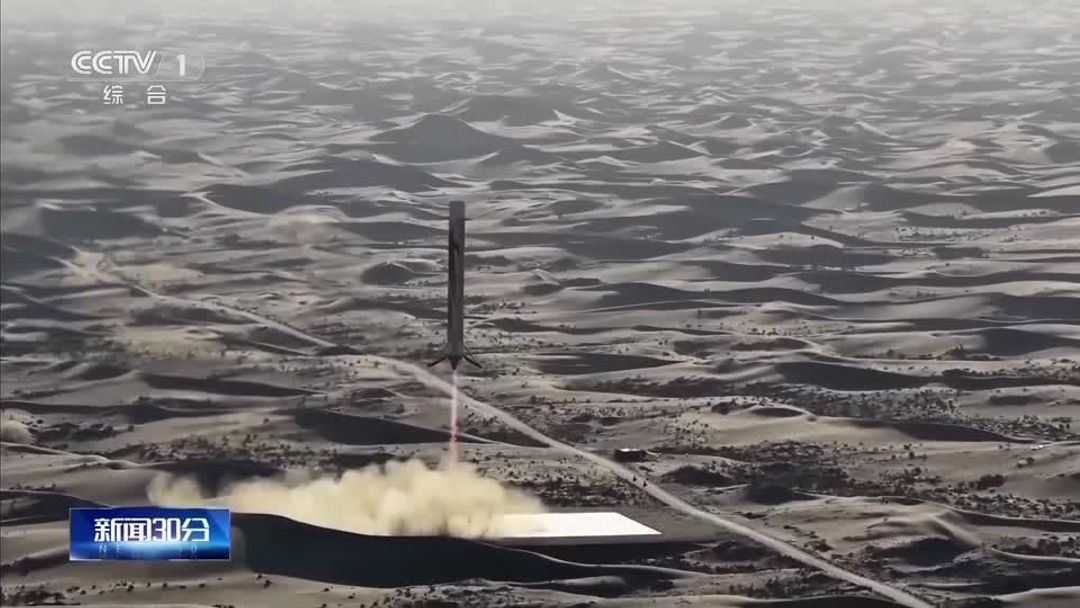
LandSpace recovered Zhuque-3’s first stage on land, signaling a major step toward reusable launch capability in China.
A milestone that matters beyond the headline
China has taken another meaningful step in reusable launch technology. LandSpace successfully recovered the first stage of its Zhuque-3 rocket on land, a result that matters not because it looks dramatic, but because it moves the country closer to the operational model that has reshaped the global launch market.
Reusable rockets change the economics of spaceflight. When a booster can return intact and fly again, launch costs can fall, turnaround times can improve, and private companies can compete more aggressively for satellites, logistics missions, and future commercial contracts.
What happened
Reuters reported that LandSpace became one of only a handful of private companies in the world to recover an orbital-class booster, placing it alongside SpaceX and Blue Origin in a very small club. AP added that this was also China’s first use of deployable landing legs on this class of rocket, a technical detail that underscores how much precision is needed for a successful ground landing.
The landing itself is the most important part. A reusable rocket is not defined by a flashy launch; it is defined by the ability to come back, survive the descent, and be prepared for another flight.
Why this is significant
- It is a recovery, not just a launch: the booster had to return under control.
- It was landed on the ground: that is a tougher, more complete demonstration than a splashdown-style recovery.
- It strengthens China’s private launch sector: LandSpace is now in a much stronger position to attract attention, capital, and future contracts.
Why the market cares
The reusable-launch race is not just about prestige. It is about who can offer reliable, lower-cost access to orbit. That matters for satellite operators, telecom companies, defense users, and any business that wants to scale space services without paying a premium for every launch.
China has already shown it can build serious space hardware. The harder question has always been whether private launch companies can reach the combination of reliability, cadence, and economics needed to rival the best in the world. This landing does not answer every question, but it improves the case dramatically.
What to watch next
- Whether LandSpace can repeat the result consistently.
- Whether Zhuque-3 advances from test success to commercial operations.
- Whether Chinese investors and customers begin to treat reusable boosters as mainstream infrastructure.
- Whether this triggers a broader wave of competition among China’s private space firms.
Bottom line
This was more than a test article or a vanity launch. It was a proof point that China is moving from aspiration to execution in reusable rockets. The gap with SpaceX is still real, but the direction is now unmistakable: China is building toward an operational reusable launch ecosystem, not just a one-off demo.