Sidny Lopes Cabral Wins Best Goal of the 2026 World Cup
FIFA named Sidny Lopes Cabral's stunning strike for Cape Verde against Argentina as the Best Goal of the 2026 World Cup, a moment that moved even his own mother.
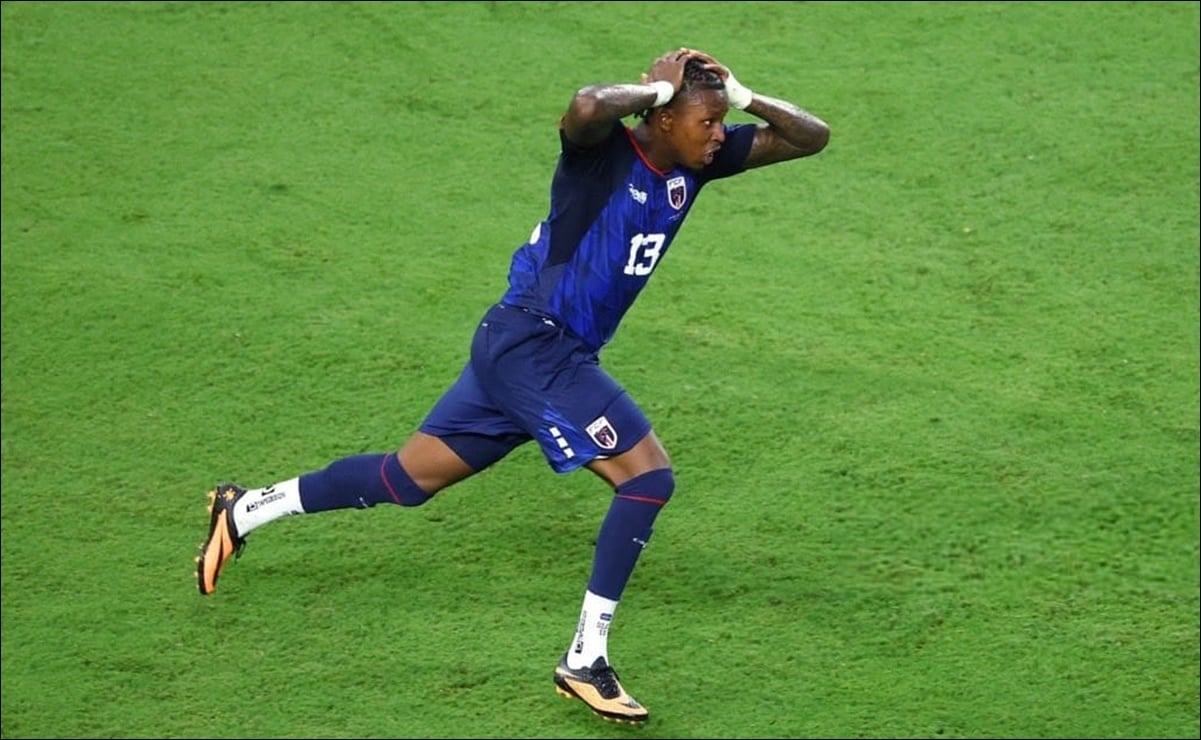
FIFA confirmed that Sidny Lopes Cabral’s goal against Argentina was voted the Best Goal of the 2026 World Cup, topping a poll that placed it above the other 307 goals scored throughout the tournament held in the United States, Mexico and Canada. The award crowns one of the most memorable moments of the competition, produced by a 23-year-old footballer who until then was virtually unknown to the wider public.
The moment that changed the match
The goal came in the 103rd minute of extra time, during the round of 16 clash between Argentina and Cape Verde on July 3 at the Hard Rock Stadium in Miami. Cape Verde were trailing 1-2 and seemed doomed to elimination when Lopes Cabral received the ball down the left flank. The defender cut inside, left Alexis Mac Allister behind with a sharp turn and unleashed a right-footed shot with curl that aimed for the top corner, far beyond the reach of Emiliano “Dibu” Martinez, Argentina’s goalkeeper. The ball nestled into the net to make it 2-2 and send the stands into uproar.
Although Argentina would eventually win 3-2 after extra time, Lopes Cabral’s goal was etched in memory as the symbol of a team that refused to surrender against one of the tournament favourites.
”What did I just do?”
The man himself admitted afterwards that he did not fully grasp what he had achieved at the moment of the strike. “When I looked up and saw the ball going there, I thought: ‘What did I just do?’ I couldn’t believe it,” Lopes Cabral said after the match, still clearly emotional about what had happened.
The defender, who at 23 was experiencing his first World Cup, became overnight one of the most talked-about names of the tournament, not only for the technical quality of the finish but also for the context: a partial equaliser against one of the most powerful squads on the planet, scored by a player from a nation that had never before reached a World Cup final stage.
His mother faints
Beyond the play itself, what truly sent the moment viral was what happened immediately afterwards. During the celebration, Lopes Cabral ran towards the stands to share his euphoria with his family, and there he encountered an unexpected scene: his mother, Teresa, had fainted from the emotion of seeing her son’s goal. The image, shared massively across social media, added a human layer to a moment that already had every ingredient to become part of World Cup history.
The symbol of a historic campaign
Lopes Cabral’s goal condensed, in just a few seconds, the spirit with which Cape Verde approached their participation in the 2026 World Cup. They are a small nation, made up largely of players from the Cape Verdean diaspora scattered across European clubs, who arrived at the tournament as one of the surprises and who, far from being content with qualification, stood up to opponents of far greater stature. Their performance against Argentina, despite the eventual defeat, remained one of the most enduring images of the competition.
A vote with strong fan participation
The award for the Best Goal of the World Cup was chosen from among the 308 goals scored during the entire tournament, with the active participation of thousands of fans who voted through FIFA’s official channels. The popular support for Lopes Cabral’s goal reflected not only the technical quality of the strike but also the emotional connection generated by the story behind it: that of a virtually anonymous footballer who, in the worst moment of the match for his team, produced a moment of magic that transcended the final result.
What lies ahead for Cape Verde and their new star
FIFA’s recognition propels Lopes Cabral to a new dimension within international football, with the expectation that more demanding European clubs will closely follow his development after his World Cup exposure. For the Cape Verdean national team, the award also serves as a symbolic endorsement of a footballing growth process that, after the 2026 World Cup, will seek to consolidate in the upcoming continental qualifiers, with the goal of reaching another final stage and proving that the goal in Miami was not an isolated episode, but the reflection of a team on the rise.