Zelensky: Russia requested 30,000 more North Korean soldiers
Zelensky stated that Russia requested 30,000 additional soldiers from North Korea, while Moscow suffered nearly 225,000 military casualties in under seven months.
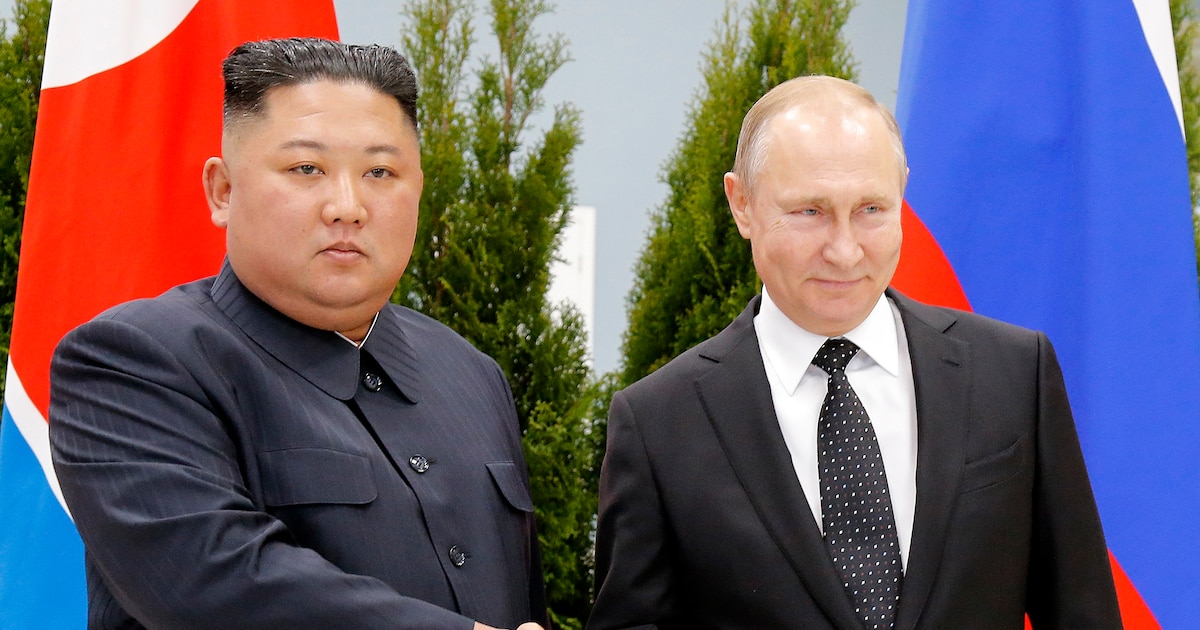
Russia would request 30,000 additional soldiers from Pyongyang
Ukrainian President Volodymyr Zelensky stated on July 26, 2026, that Russia requested North Korea to send 30,000 additional soldiers to support the invasion of Ukraine, and that preparations to receive this contingent have been underway since June in the Russian region of Voronezh, bordering Ukraine. “Russia wants to receive 30,000 additional soldiers from North Korea,” Zelensky wrote on his X account.
The president also warned about the possible transfer of additional ballistic missile launchers from North Korea to Russia, noting that this is not only a threat to Ukraine but also helps Pyongyang refine its military capabilities with real combat experience, posing a risk to all of Asia.
Russian casualties exceed recruitment capacity
Zelensky also reported that Russia suffered nearly 225,000 military casualties in less than seven months of 2026, a figure that exceeds the total number of soldiers mobilized by Moscow in the same period. The Ukrainian foreign ministry spokesperson had previously indicated that Russia loses more than 30,000 soldiers per month since December 2025, with peaks of up to 40,000 in the most intense months, a rate that would exceed Russia’s domestic recruitment capacity and explain the need for external reinforcements.
It is estimated that North Korea has already deployed some 20,000 soldiers and military engineers to support Russia, of which about 14,000 are currently on the front lines on Ukrainian soil. According to calculations cited by Kyiv, around 2,000 North Korean soldiers would have died in combat since the beginning of these deployments, in a military cooperation that Moscow and Pyongyang have avoided detailing publicly despite accumulated evidence of its scope.