Cuba Suffers Sixth Nationwide Blackout of 2026
Cuba suffered a new nationwide blackout on Sunday, the sixth total collapse of its electrical system in 2026, just 24 hours after another outage hit five provinces.
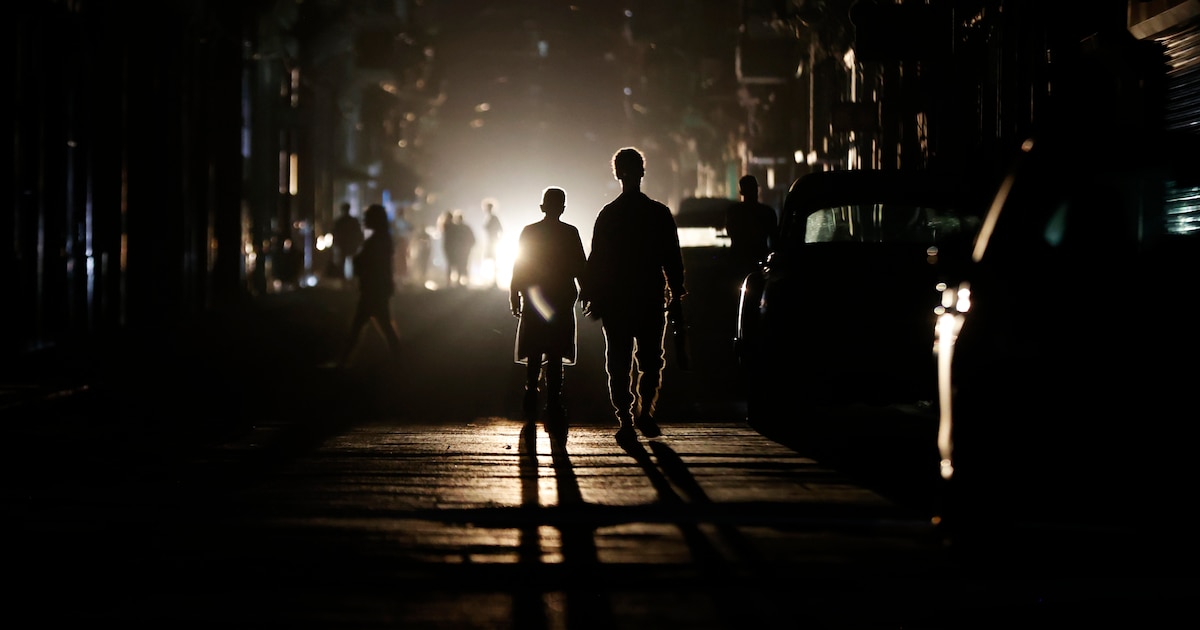
Cuba went dark once again. On Sunday night, August 2, the island suffered a “total disconnection” of its National Electrical System, as reported by the state-owned company Unión Eléctrica (UNE). This marks the sixth widespread nationwide blackout recorded in 2026. The outage left much of the country without power, including the capital, Havana, barely 24 hours after another incident had left five of the 15 Cuban provinces in the dark.
A crisis with no respite
The new collapse arrived in the middle of the Caribbean summer, when thousands of people were on the streets of Havana trying to escape the high temperatures typical of the season. The blackout caught them off guard, replicating a scene that has become routine for Cubans in recent years: streets and homes completely dark, closed businesses, and widespread uncertainty about when the power will return.
The Ministry of Energy reported that “protocols were being applied to reactivate the grid” with the aim of restoring power nationwide, although it did not provide a time estimate. The figure of six nationwide blackouts in just the first seven months of 2026 adds to the five widespread collapses already recorded between late 2024 and the end of 2025, bringing the total to eleven major outages the Cuban electrical system has suffered since then.
Infrastructure at the limit
Behind the succession of blackouts lies a structural problem that Cuban authorities have acknowledged for years: the seven thermoelectric plants that support most of the national power generation are over 40 years old and show varying levels of deterioration. Much of this infrastructure was built with Soviet technology and never received the investments needed for a comprehensive overhaul.
Adding to the obsolescence of the plants is a chronic fuel shortage. According to the Cuban regime, the economic embargo imposed by the United States limits the country’s regular access to the supplies needed to keep its plants running. This year, Washington authorized the entry of a single Russian oil tanker, loaded with 100,000 tons of crude oil, which arrived on the island in March, but those reserves have already been completely exhausted, according to official Cuban sources.
More sanctions, less foreign investment
The Donald Trump administration also intensified sanctions against Cuban state-owned enterprises this year, causing several foreign companies to suspend their operations on the island, according to the Cuban regime. Havana argues that US sanctions are the main factor behind the deterioration of the national electrical system, while Washington attributes the energy crisis to internal economic mismanagement and the general state of Cuban infrastructure, in a blame game that repeats itself with every new blackout.
The impact on daily life
Every power outage in Cuba not only leaves homes and businesses in the dark: it also reduces the supply of drinking water, due to the paralysis of pumping systems that rely on the electrical grid. In the middle of summer, the lack of energy also leaves fans and refrigeration systems out of order, worsening the living conditions of a population of around 9.4 million inhabitants.
Prolonged interruptions also make it difficult to preserve food in homes and businesses, limit daily economic activity, and directly affect the operation of hospitals, schools, and other essential facilities that depend on a continuous power supply to operate normally.
Economic reforms amidst the crisis
Faced with this scenario of sustained deterioration, the Cuban regime has promoted reforms in recent months aimed at introducing free market mechanisms, with the declared goal of strengthening the economy and generating new sources of income to address the country’s structural difficulties. However, the results of these measures have not yet translated into a visible improvement in the electrical system, which continues to show signs of extreme fragility in the face of any variation in demand or fuel supply.
What comes next
With the national electrical system under constant pressure and no clear signs of a comprehensive overhaul of the thermoelectric plants in the short term, Cubans face the possibility that widespread blackouts will continue to occur in the coming months. The combination of aging infrastructure, fuel shortages, and international sanctions creates a scenario where each new power collapse deepens the social and economic strain on an island going through one of the most complex periods in its recent energy history.