Iran Closes Strait of Hormuz as Brent Crude Rises 10% in One Day
Iran shut the Strait of Hormuz after U.S. attacks, sending Brent crude up 10% in a single day to $86, its biggest jump since 2020.
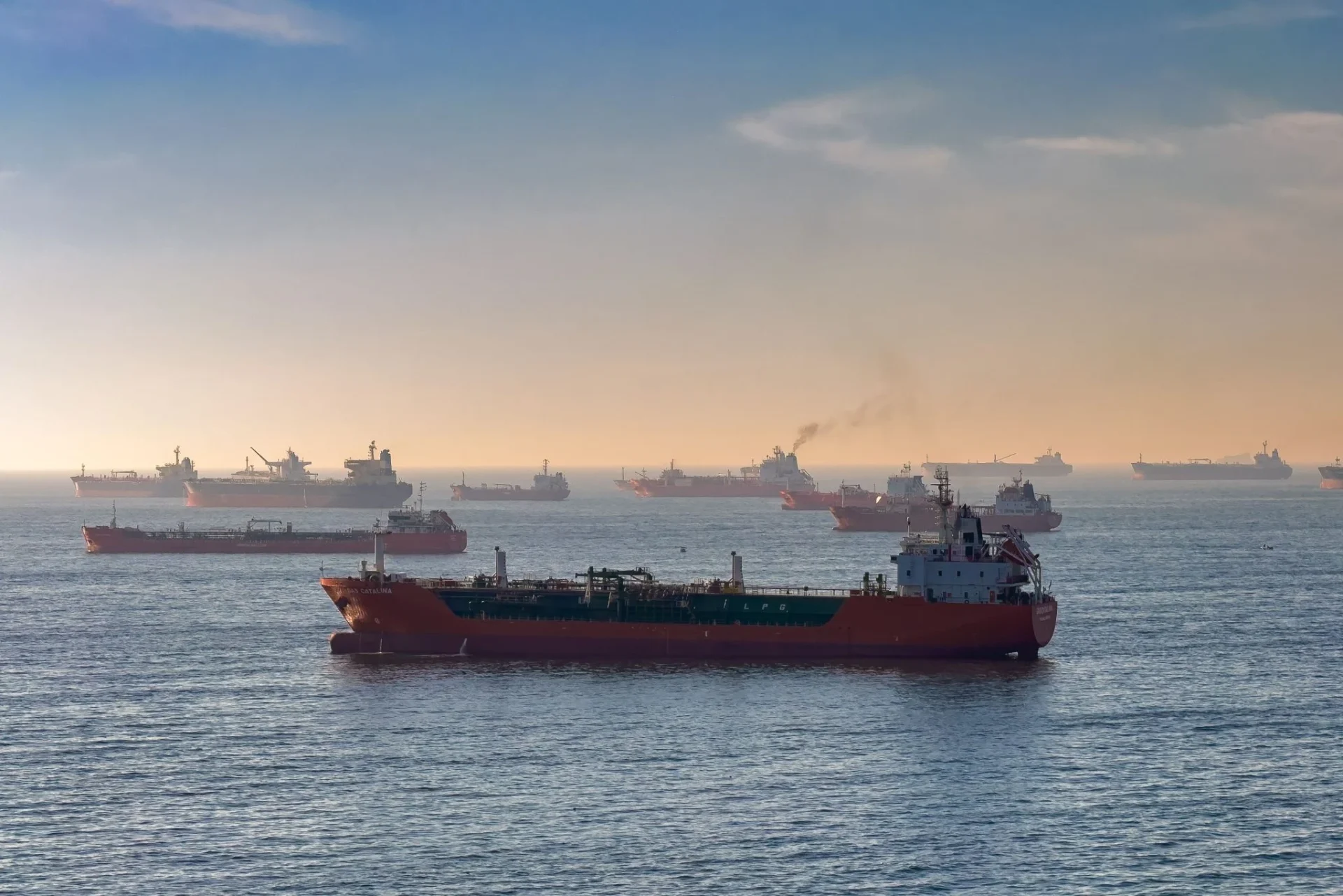
The Islamic Revolutionary Guard Corps (IRGC) of Iran closed the Strait of Hormuz to hydrocarbon traffic on July 15, in retaliation for U.S. bombings in the region. The move triggered a 10% intraday surge in Brent crude, its largest single-day increase since 2020, stabilizing near $86 per barrel.
The world’s oil artery
The Strait of Hormuz is the primary global conduit for oil transport: approximately 20 million barrels of crude oil and liquefied natural gas pass through its waters daily, according to data cited by Moncloa.com. A prolonged closure of this corridor would directly impact global energy supply, particularly in Asia and Europe.
Crossed warnings
Iranian commander General Mohammad Akraminia warned that IRGC forces would remain deployed “until the last breath.” From Washington, the White House insisted on the necessity of keeping the maritime passage open, while Donald Trump proposed a 20% toll on shipments transiting the strait—a move labeled “piracy” by Brazilian President Lula da Silva.
Risk for Spain and Europe
Market analysts do not rule out Brent reaching $100 if the blockade lasts more than two weeks. Spain, which imports over 10% of its oil via this route, faces direct energy risk that could translate into higher fuel prices and broader inflation.
A market on alert
Tensions in the Strait of Hormuz come amid an already unstable Middle East, and energy markets closely monitor any sign of escalation or potential diplomatic de-escalation that could restore normal transit.
Sources: Moncloa.com.