Trump Announces Preliminary Deal With Iran: Oil Plummets
Trump ordered a halt to new attacks against Iran after a preliminary deal. Oil prices fell over 5% as Tehran expressed skepticism about the agreement.
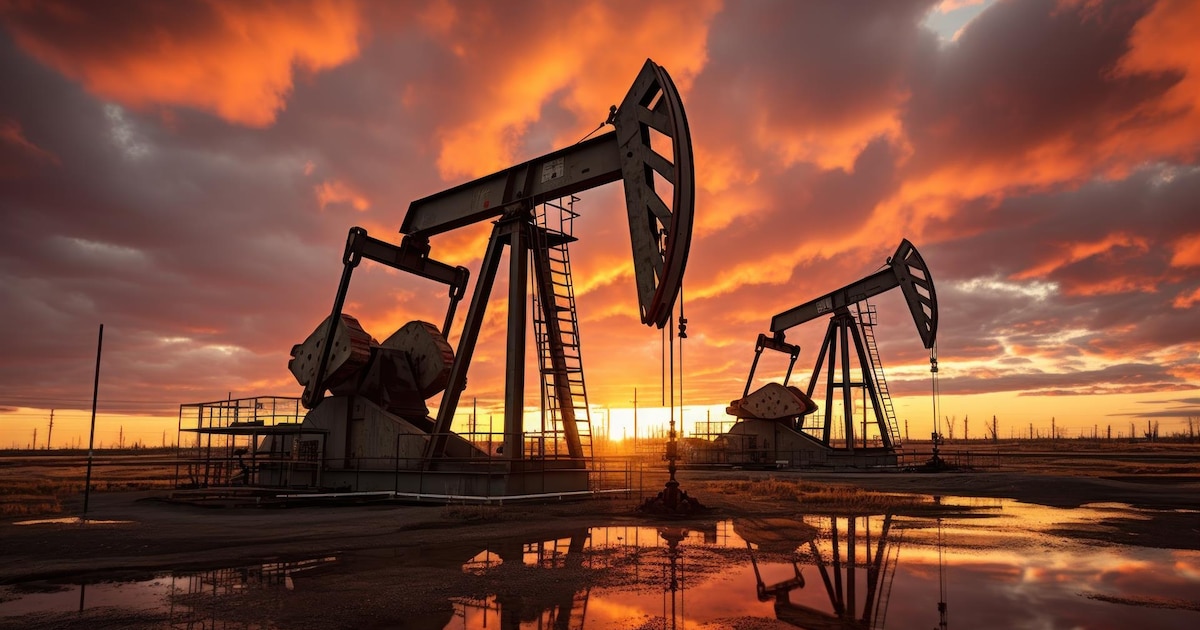
Oil prices plummeted on Sunday, August 2, 2026, after US President Donald Trump ordered American forces to suspend any new attacks against Iran. The announcement abruptly reshaped expectations surrounding the Middle East conflict.
A Sharp Drop in the Markets
US West Texas Intermediate (WTI) crude dropped by about 5.5%, settling near $80 a barrel, while Brent, the international benchmark, fell 5.6% to around $83. The movement reflected immediate market relief at the possibility that the conflict, which had held global energy supplies hostage, might begin to de-escalate.
Trump’s Announcement on Truth Social
Trump communicated the decision on Saturday night via his social network, Truth Social, claiming that both Iran and “other Middle East countries” had requested additional time to finalize an agreement. The president stated he personally halted a massive offensive: “It was going to be, by far, the biggest [attack] since World War II,” he wrote.
According to the White House outline, the eventual deal would include the “immediate, complete, and total” reopening of the Strait of Hormuz—a maritime transit route for a critical portion of the world’s oil—in addition to ending what Washington describes as the Iranian nuclear threat. Trump added that Israel was joining the commitment, a claim that Israeli authorities did not publicly confirm.
A Conflict Months in the Making
The announced truce arrives after nearly half a year of hostilities. The conflict erupted on February 28, 2026, when the United States and Israel launched joint attacks against Iran, an episode that drove oil prices above $100 a barrel during the spring. A subsequent ceasefire collapsed, and fighting resumed on July 8, returning uncertainty to energy markets and much of the region.
Trump indicated that new talks with Iran would begin on Monday, though he offered no details on the format of those negotiations or who would participate on the Iranian side.
Tehran Responds with Skepticism
The reaction from Iran has been cautious, if not openly distrustful. The semi-official Fars news agency, linked to the Revolutionary Guard, described Trump’s announcement as a “repeated retreat from his threats,” suggesting Tehran does not consider any agreement closed. The Iranian Foreign Ministry spokesman was more specific, insisting that understandings reached with Oman on a new shipping route do not imply the reopening of the Strait of Hormuz as Washington described.
This discrepancy between the US narrative and the Iranian version leaves one of the central points of the supposed pact up in the air—precisely the one that would have the most impact on the global oil market.
Prices Remain Above Pre-War Levels
Despite the sharp weekend drop, US crude remains nearly 20% above levels recorded before the conflict began in February. The sustained increase in oil prices directly impacted the cost of gasoline, aviation fuel, and other transportation-dependent products, causing rationing episodes and sporadic closures of schools and offices in various countries affected by shortages and rising costs.
Another Front: The Warning on Hamas
Parallel to the announcement on Iran, the Iranian Revolutionary Guard issued a different warning regarding another open front in the region. It stated that the US plan to disarm Hamas “will fail,” a declaration adding another layer of tension to a regional scenario far from fully stabilized, even with a potential truce between Washington and Tehran.
What Comes Next
Attention now shifts to the talks Trump said would begin on Monday. The outcome of these meetings will be decisive in determining whether the weekend oil drop marks the real start of a de-escalation or, as signals from Tehran suggest, a temporary respite in a conflict that has already experienced several failed ceasefire cycles. Energy markets, meanwhile, will continue moving to the rhythm of each statement, aware that the gap between the US and Iranian versions regarding the Strait of Hormuz remains unresolved.