U.S. Condemns Nicaragua for Eliminating Elections
The U.S. condemned Nicaraguan President Daniel Ortega for eliminating elections, warning of a serious democratic backsliding in Central America.
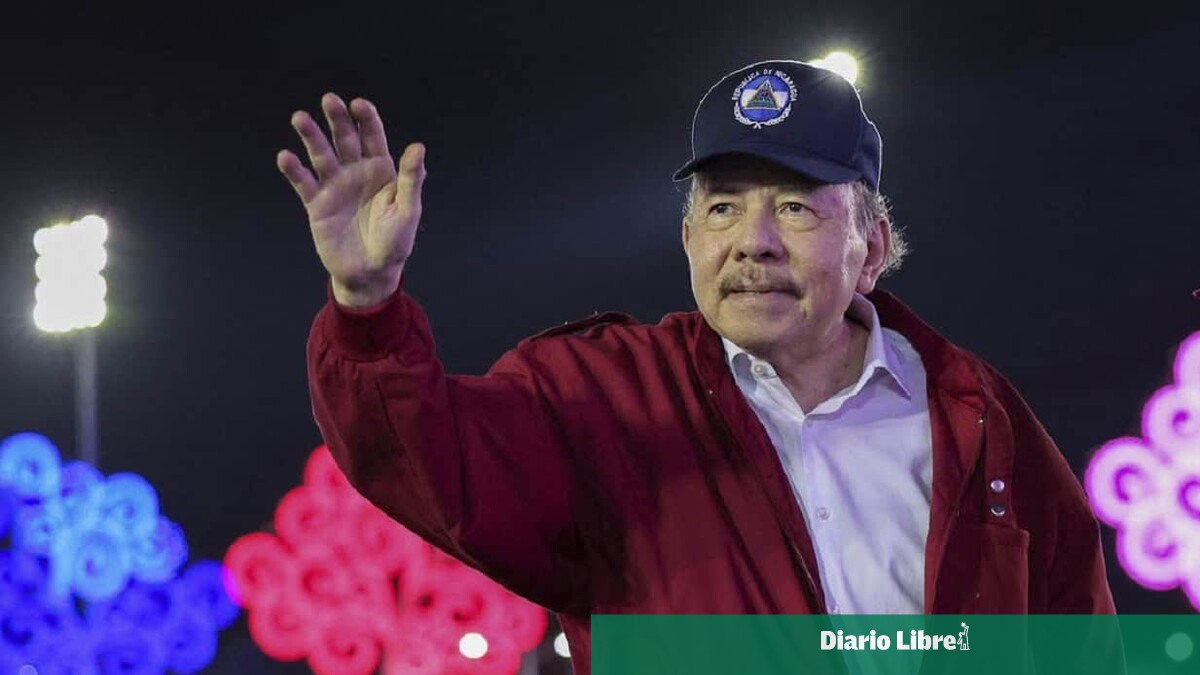
The U.S. Department of State condemned Nicaraguan President Daniel Ortega’s announcement to eliminate the electoral process in the Central American country. Washington labeled the move as a “democratic backsliding” and a further sign of authoritarian consolidation by the Nicaraguan leader.
The Context of an Eroded Democracy
Ortega, in power since 2007 after a first term in the 1980s, has been regularly criticized by international bodies—including the Organization of American States and several electoral observation missions—for weakening democratic institutions. Since 2018, when a wave of protests was brutally suppressed, the Nicaraguan government has shut down media outlets, banned opposition parties, and imprisoned or exiled dozens of political and social leaders. The last general elections, held without independent international observers or genuine competition, had already been widely questioned by the international community.
Washington’s Response
The U.S. condemnation adds to a long list of sanctions and critical statements targeting Ortega and his wife and vice president, Rosario Murillo. U.S. officials warned that eliminating the electoral process “closes the last institutional avenue” for a peaceful change of government and reaffirmed support for Nicaraguan opposition figures in exile.
Regional Impact
Analysts consulted by Central American media warned that the move could deepen Managua’s diplomatic isolation and worsen the migration crisis, as thousands of Nicaraguans have fled the country in recent years to escape political persecution and economic hardship. The decision also rekindles debate on the role of regional bodies like the OAS, which have so far failed to reverse institutional decay in Nicaragua.
For now, Ortega’s government has not publicly responded to Washington’s criticism, consistent with its usual practice of dismissing external pressure as “interference” in domestic affairs.
Sources: Diario Libre.