Netflix Star Nirmal Purja Dies in Broad Peak Avalanche
Nirmal Purja, star of the Netflix documentary 14 Peaks, died at 43 after an avalanche on Broad Peak. A look at his legacy and the rescue operation.
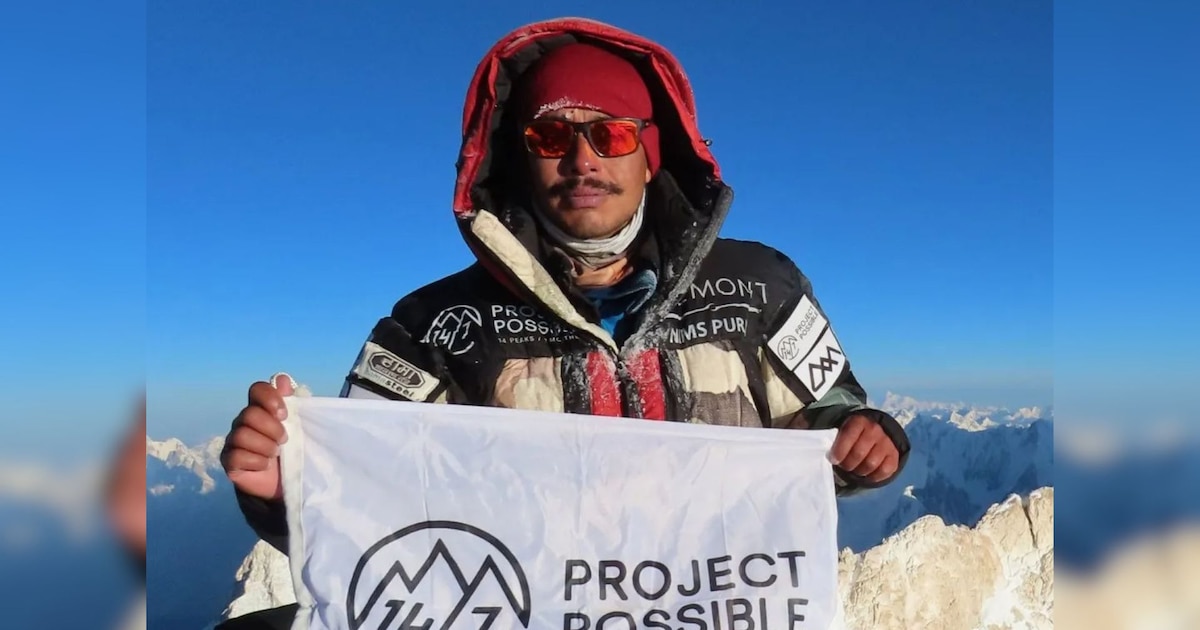
The global mountaineering community mourns one of its most charismatic figures of the last decade. Nirmal “Nims” Purja, the Nepali-British mountaineer who became a global phenomenon through the Netflix documentary “14 Peaks: Nothing Is Impossible”, died at 43 after being caught in an avalanche on Broad Peak, the twelfth highest mountain in the world, located in the Karakoram range on the border between Pakistan and China.
A confirmation that followed days of uncertainty
The news was confirmed on Saturday, August 1, by Elite Exped, the expedition company Purja co-founded and was leading during the ascent. In a statement, the company expressed its “deep sadness” and confirmed that the tragedy extended beyond the mountaineer: guides Pur Bahadur Gurung, known as “Yukta”, and Nima Sherpa, two key members of the team accompanying Purja on the route to the summit, also died.
For nearly 48 hours, the international climbing community anxiously followed news coming from the Karakoram, with no official confirmation regarding the fate of the ten expedition members. The wait ended in one of the most painful outcomes high-altitude mountaineering has seen in recent years.
How the avalanche happened
The tragedy struck on Thursday, July 30, while Purja was leading a ten-person expedition toward the summit of Broad Peak, an 8,051-meter mountain. The group maintained communication with the expedition operator until 9:00 AM local time. Hours later, an avalanche hit them as they climbed between Camp II and Camp III, at approximately 6,600 meters above sea level, one of the most exposed areas of the standard summit route.
A rescue operation against the clock
Search efforts began the following day with the backing of the Pakistan Army, which deployed three military helicopters and several drones to survey the affected area. However, heavy snowfall, poor visibility, and the constant risk of further snowslides severely complicated the operation from the very beginning.
The solidarity of the mountaineering community was immediately apparent. Pakistani climbers and Nepali sherpas in the middle of the climbing season suspended their own expeditions on the nearby K2 to join the rescue efforts on Broad Peak, aware that every hour counted in the search for survivors.
The expedition’s victims
As the hours passed, authorities confirmed the names of those who lost their lives on the mountain: American Sarah Mallory Geis, a Texas native; Omani national Nadhira Ahmed Abdullah Al Harthy; Nepali guide Pur Bahadur Gurung; and finally, Nirmal Purja himself alongside guide Nima Sherpa. Other expedition members remained missing at the time the first deaths were confirmed, keeping friends, family, and followers around the world on edge.
Who was Nirmal Purja?
Born in Nepal in 1983, Purla became a British citizen and served 16 years in the UK Armed Forces. During this period, he became the first Gurkha to join the Special Boat Service (SBS), one of the most demanding elite units in the British special forces, a background many cite as key to understanding the physical and mental endurance he later demonstrated in the Himalayas.
His leap to global fame came in 2019 when he completed “Project Possible”: climbing all 14 of the planet’s mountains over 8,000 meters in just six months and six days, shattering a record previously measured in years rather than months. The feat, later surpassed by Norwegian climber Kristin Harila, catapulted Purja as one of the most influential figures in modern mountaineering and served as the basis for the documentary that made him famous outside specialized circles.
The legacy of “Project Possible”
Purja also led the first winter ascent of K2 in January 2021, heading a predominantly Nepali team, an achievement many considered impossible given the extreme conditions of the “Savage Mountain” during winter. Additionally, he became the first person to climb all 14 eight-thousanders both with and without supplemental oxygen, a combination very few climbers in the world can claim.
Beyond his records, Purja dedicated a significant part of his career to making the role of sherpa guides visible, a role traditionally relegated to the background in chronicles of major international expeditions. Through the Nimsdai Foundation, he promoted projects to support mountain communities in Nepal, striving to ensure that the recognition and benefits of high-altitude tourism reached those who make every ascent possible.
What happens next
At the time of his death, Purja was attempting a new feat: to become the first person to climb all 14 mountains over 8,000 meters twice without supplemental oxygen, a challenge only a handful of climbers in the world have dared to consider. His passing reopens the debate on the growing risks in the Karakoram, where climate change has altered snow patterns and made avalanches on considered classic routes more unpredictable. Elite Exped stated it will continue cooperating with Pakistani authorities to identify the bodies and fully clarify what happened, while the international mountaineering community pays tribute to the man who redefined the boundaries of what is possible in high-altitude climbing.