Ollanta Humala Freed After Constitutional Court Voids Sentence
Former Peruvian president Ollanta Humala regained freedom after 15 months in prison, after the Constitutional Court annulled his 15-year sentence for money laundering.
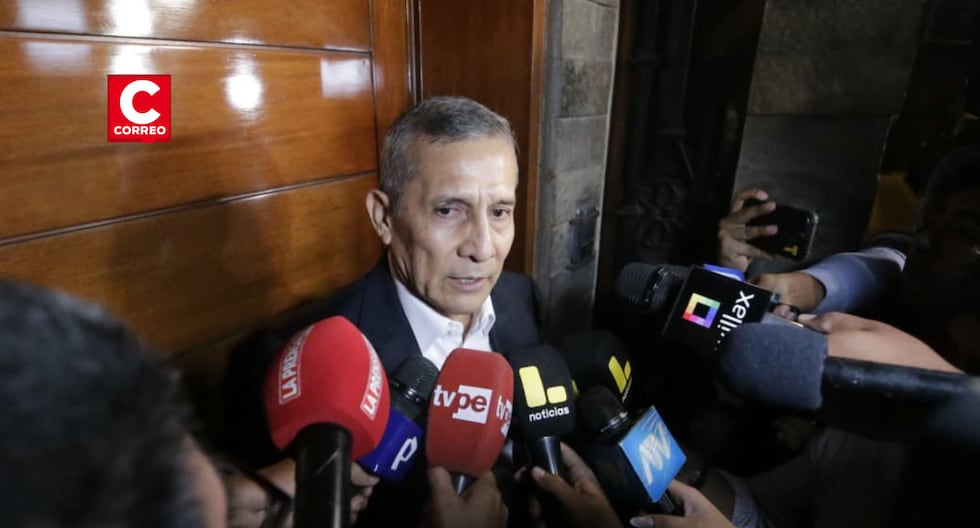
Former Peruvian president Ollanta Humala regained his freedom on the afternoon of Friday, July 31, 2026, after the Constitutional Court (TC) annulled the 15-year prison sentence handed down for aggravated money laundering. The former head of state left the Barbadillo prison in Cusco by express order of the judiciary, ending 15 months of detention that marked one of the most talked-about episodes in recent Peruvian politics.
A sentence that collapses in the TC
The sentence Humala was serving was linked to the alleged irregular financing of his two presidential campaigns, in 2006 and 2011, in which prosecutors argued the Nationalist party had received illicit contributions from Venezuela and Brazil. The case, investigated largely by the Lava Jato Special Team, resulted in April 2025 in a 15-year prison sentence for both Humala and his wife, Nadine Heredia. Since then, the former president remained imprisoned in Barbadillo, the same prison where he had previously spent time in pretrial detention between 2017 and 2018.
The TC, however, determined that there were substantial irregularities in the proceedings and ruled to annul the conviction, which forced the judicial system to order the immediate release of the former president. The ruling reopens a debate that has accompanied the case since its inception: the extent to which the actions of prosecutors and judges respected due process guarantees.
”I was kidnapped by the State”
Upon leaving prison, Humala did not hold back in describing his experience. “My family and the Nationalist Party have been victims of political and judicial persecution. On April 15 of last year, 2025, I was kidnapped by the State, and then the hitmen of the justice system who were in place at the time regularized an illegal situation,” the former president declared before the press waiting for him at the prison gates.
He categorically denied having received illegal contributions from Venezuela or Brazil to finance his campaigns and insisted he never committed any crime. According to his account, the judicial process not only affected him but triggered a chain of consequences for his closest family: his wife, Nadine Heredia, was forced to seek political asylum, while his children had to leave the country as a direct result of the pressures stemming from the case.
Return to Surco and criticism of the Public Ministry
Once at his home in the Lima district of Surco, Humala resumed his criticism of the prosecutors who led the investigation. He called the Lava Jato Special Team “the armed wing” of the Public Ministry, in a direct critique of what he considers a political use of criminal prosecution against opposition leaders. The former president also stated he would not overlook what he considers new judicial irregularities and will continue fighting through legal channels any action he deems arbitrary.
Humala was emphatic in demanding a gesture of reparation from the State: he asked that public apologies be offered both to his family and to the Nationalist Party, the organization he founded and with which he reached the presidency of Peru in 2011, after a campaign in which he prevailed in the runoff.
Effects on Nadine Heredia’s case
The TC ruling not only affects Humala’s personal situation but opens a legal window for his wife. Nadine Heredia’s lawyer formally requested that the effects of the Constitutional Court’s ruling — which annulled the former president’s conviction — be extended to her as well, since both were sentenced in the same proceedings and under the same legal grounds. If the request succeeds, Heredia, currently outside the country under asylum status, could see her legal situation modified.
A case that defined a judicial era
The prosecution of Humala and Heredia became, over nearly a decade, one of the symbols of the anti-corruption drive launched after the Lava Jato scandal erupted in the region. The investigation, successive pretrial detentions, and finally the 2025 conviction fueled an intense public debate about the boundaries between legitimate criminal prosecution and what sectors close to the former president denounced as a politicization of justice.
What comes next
With Humala’s freedom now effective, the next steps point to two fronts. On one hand, the former president himself indicated he will evaluate additional legal actions against those he considers responsible for what he calls an unjust persecution. On the other, the request filed by Nadine Heredia’s defense to extend the TC ruling must be resolved by the competent authorities, in a process that will likely keep the Humala-Heredia marriage at the center of Peruvian political and judicial debate in the coming weeks.